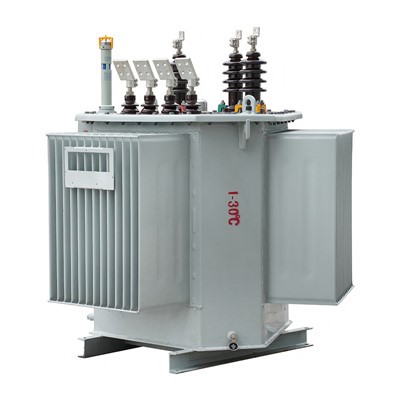
As a trusted supplier of integrated transformers, I understand the paramount importance of safeguarding these critical components from the detrimental effects of environmental factors. Integrated transformers play a pivotal role in various electrical and electronic applications, from power supplies and inverters to communication devices and industrial equipment. However, exposure to harsh environmental conditions can significantly impact their performance, reliability, and lifespan. In this blog post, I will share valuable insights and practical strategies on how to protect integrated transformers from environmental factors, ensuring their optimal operation and longevity. Integrated Transformer
Understanding Environmental Threats
Before delving into protective measures, it is essential to understand the environmental factors that pose a threat to integrated transformers. These factors can be broadly categorized into the following groups:
Temperature Extremes
Integrated transformers are sensitive to temperature variations. High temperatures can cause the insulation materials to degrade, leading to increased resistance, reduced efficiency, and ultimately, failure. On the other hand, low temperatures can cause the materials to become brittle, increasing the risk of mechanical damage.
Humidity and Moisture
Moisture is one of the most common environmental threats to integrated transformers. Exposure to high humidity levels or direct contact with water can cause corrosion of the conductive materials, short circuits, and insulation breakdown. Moisture can also promote the growth of mold and fungus, which can further damage the transformer.
Dust and Particles
Dust and airborne particles can accumulate on the surface of integrated transformers, reducing their cooling efficiency and increasing the risk of overheating. In addition, fine particles can penetrate the internal components of the transformer, causing abrasion, contamination, and electrical interference.
Chemicals and Pollutants
Exposure to chemicals, such as solvents, acids, and alkalis, can corrode the materials used in integrated transformers. Pollutants in the air, such as sulfur dioxide, nitrogen oxides, and ozone, can also react with the transformer’s components, causing degradation and performance issues.
Vibration and Shock
Integrated transformers are often subjected to vibration and shock during transportation, installation, and operation. These mechanical forces can cause loose connections, damaged windings, and other structural problems, leading to reduced reliability and performance.
Protective Strategies
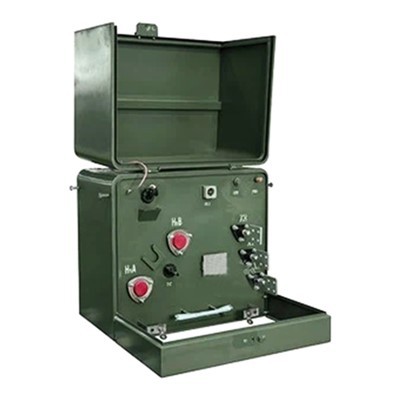
To protect integrated transformers from environmental factors, it is necessary to implement a comprehensive set of protective strategies. These strategies can be divided into the following categories:
Design and Manufacturing Considerations
- Selection of Materials: Choose high-quality materials that are resistant to temperature, humidity, chemicals, and mechanical stress. Insulation materials, such as polyester, polyimide, and epoxy resin, are commonly used in integrated transformers due to their excellent electrical and thermal properties.
- Encapsulation and Potting: Encapsulate the transformer in a protective housing or pot it with a suitable resin to provide a barrier against moisture, dust, and chemicals. This can also help to reduce vibration and shock.
- Thermal Management: Incorporate effective thermal management techniques, such as heat sinks, fans, and thermal pads, to dissipate heat generated by the transformer. This can help to prevent overheating and extend the lifespan of the transformer.
Installation and Mounting
- Proper Location: Install the integrated transformer in a clean, dry, and well-ventilated area away from sources of heat, moisture, and dust. Avoid installing the transformer in areas prone to flooding, high humidity, or chemical exposure.
- Mounting Techniques: Use appropriate mounting techniques to secure the transformer and minimize vibration and shock. Mount the transformer on a sturdy base or bracket, and use vibration-damping materials to reduce the transmission of mechanical forces.
- Electrical Connections: Ensure that all electrical connections are tight, clean, and free from corrosion. Use appropriate connectors and terminals, and follow the manufacturer’s specifications for wiring and grounding.
Environmental Protection
- Enclosures: Use enclosures to protect the integrated transformer from environmental factors. Enclosures can be made of various materials, such as metal, plastic, or fiberglass, and should be designed to provide adequate protection against dust, moisture, and chemicals.
- Filters and Air Purifiers: Install filters and air purifiers in the vicinity of the transformer to remove dust, particles, and pollutants from the air. This can help to prevent the accumulation of contaminants on the transformer’s surface and internal components.
- Climate Control: Use climate control systems, such as air conditioners, heaters, and dehumidifiers, to maintain a stable temperature and humidity environment around the transformer. This can help to prevent thermal stress and moisture-related issues.
Maintenance and Inspection
- Regular Cleaning: Clean the surface of the integrated transformer regularly to remove dust, dirt, and other contaminants. Use a soft brush or compressed air to clean the transformer, and avoid using abrasive materials or solvents that can damage the insulation.
- Visual Inspection: Perform regular visual inspections of the transformer to check for signs of damage, such as cracks, burns, or corrosion. Look for any loose connections, discoloration, or swelling of the insulation, and address any issues promptly.
- Electrical Testing: Conduct electrical tests, such as insulation resistance testing, winding resistance testing, and turn ratio testing, at regular intervals to monitor the performance of the transformer. This can help to detect any potential issues before they cause a failure.
Conclusion
Power Transformer Protecting integrated transformers from environmental factors is crucial for ensuring their reliable operation and longevity. By understanding the environmental threats and implementing the appropriate protective strategies, you can minimize the risk of damage and extend the lifespan of your transformers. As a supplier of integrated transformers, I am committed to providing high-quality products and technical support to help you protect your transformers and optimize their performance. If you have any questions or need further assistance, please feel free to contact me to discuss your specific requirements. I look forward to the opportunity to work with you and provide you with the best solutions for your integrated transformer needs.
References
- Grover, F. W. (1946). Inductance Calculations: Working Formulas and Tables. D. Van Nostrand Company.
- McLyman, C. W. (1998). Transformer and Inductor Design Handbook. Marcel Dekker.
- Richter, W. (2008). Transformers: Design and Practice. John Wiley & Sons.
Nantong Yawei New Energy Technology Co., Ltd.
As one of the most professional integrated transformer manufacturers and suppliers in China, we’re featured by quality products and good service. Please rest assured to wholesale durable integrated transformer made in China here from our factory. Customized orders are welcome.
Address: Room 28-101, Building 27 and 28, No.333 Kaiyuan Avenue, Sunzhuang Subdistrict, Hai’an City, Nantong City, Jiangsu Province, China
E-mail: admin@nantongyawei.com
WebSite: https://www.nantongyawei.com/
