Hey there! I’m a supplier of Adhesive Tape Base Paper, and today I wanna chat about the whiteness requirements for this stuff. It’s a topic that might not sound super exciting at first, but trust me, it’s pretty important in the adhesive tape game. Adhesive Tape Base Paper
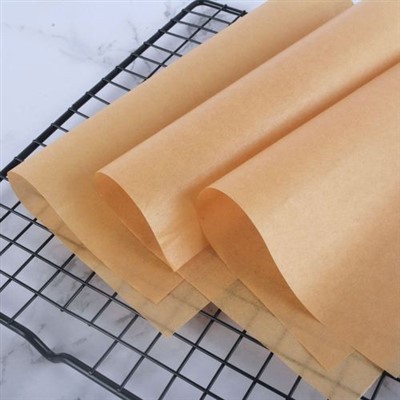
First off, let’s talk about why whiteness matters in adhesive tape base paper. When you think about adhesive tapes, you probably picture them being used for all sorts of things – from sealing boxes to crafting. And the base paper is like the foundation of the tape. A high – quality base paper with the right whiteness can make the tape look more professional and appealing.
For most general – purpose adhesive tapes, the whiteness is a key factor in the overall appearance. A white base paper gives a clean and crisp look to the tape. It also helps in printing. If you’re gonna print logos, instructions, or any other information on the tape, a white base provides a great backdrop. The ink shows up better on a white surface, making the print more clear and legible.
Now, different applications have different whiteness requirements. For household tapes, like the ones you use to wrap gifts or fix a torn piece of paper, a relatively high whiteness is preferred. Consumers usually like tapes that look bright and clean. A whiteness level of around 80 – 90 ISO (International Organization for Standardization) is common in these cases. This level of whiteness gives the tape a fresh and attractive look.
In the industrial sector, the requirements can vary. For some industrial packaging tapes, a slightly lower whiteness might be acceptable. These tapes are often used for heavy – duty applications, like sealing large shipping boxes. As long as the tape can perform its function of holding the boxes together, a whiteness level in the range of 70 – 80 ISO might be sufficient. The focus here is more on the strength and durability of the tape rather than its appearance.
But it’s not just about the looks. Whiteness can also be an indicator of the quality of the base paper. A higher whiteness often means that the paper has gone through a more rigorous manufacturing process. It might have been bleached more effectively, which can also improve other properties of the paper, like its smoothness and strength.
When it comes to producing adhesive tape base paper, achieving the right whiteness is a bit of a balancing act. There are different methods to increase the whiteness of the paper. One common method is bleaching. Chemical bleaching agents are used to remove the natural colorants in the pulp. However, over – bleaching can be a problem. It can make the paper more brittle and reduce its strength. So, we have to find the right balance to get the desired whiteness without sacrificing the other important properties of the paper.
Another factor to consider is the cost. Higher – whiteness papers usually cost more to produce. This is because of the additional processing steps involved in achieving a higher whiteness level. As a supplier, we need to understand our customers’ needs and budget. If a customer is looking for a high – end, aesthetically – pleasing tape, they might be willing to pay a bit more for a paper with a higher whiteness. On the other hand, if cost is a major concern, we can offer a paper with a slightly lower whiteness that still meets the basic requirements.
We also need to keep in mind the environmental impact. Some bleaching processes can be harmful to the environment. So, we’re always looking for more sustainable ways to achieve the right whiteness. For example, we’re exploring the use of natural bleaching agents or alternative manufacturing processes that are less harmful to the environment.
Now, let’s talk about how we test the whiteness of the adhesive tape base paper. We use specialized equipment to measure the whiteness according to international standards. This ensures that the paper we supply meets the agreed – upon whiteness requirements. We also do regular quality checks to make sure that the whiteness remains consistent across different batches of paper.
In conclusion, the whiteness requirements for adhesive tape base paper depend on the specific application. Whether it’s for household use or industrial packaging, we need to find the right balance between whiteness, quality, cost, and environmental impact. As a supplier, we’re committed to providing our customers with the best – suited base paper for their needs.

If you’re in the market for adhesive tape base paper and want to discuss your whiteness requirements or any other aspects of the product, feel free to reach out. We’d love to have a chat and see how we can meet your needs.
Kraft Paper for Carton Handles References:
- ISO standards related to paper whiteness measurement
- Industry research on adhesive tape base paper properties and requirements
Senzo New Material Group Co., Ltd.
As one of the most professional adhesive tape base paper manufacturers and suppliers in China, we also support customized service. Please rest assured to buy high quality adhesive tape base paper made in China here from our factory. For price consultation, contact us.
Address: Dongying Bonded Area, Shandong, P. R. China
E-mail: info@aonuochina.cn
WebSite: https://www.senzopaper.com/
