In the realm of electrical systems, distribution boxes play a pivotal role in ensuring the safe and efficient distribution of electrical power. As a supplier deeply involved in the intricacies of distribution boxes, I’ve witnessed firsthand the indispensable role of relays within these crucial components. Relays are not just simple devices; they are the unsung heroes that enable the smooth operation of distribution boxes and, by extension, the entire electrical network. Distribution Box

Relays are essentially electromagnetic switches that control one electrical circuit by opening and closing contacts in another circuit. In a distribution box, their main function is to protect, control, and manage the flow of electrical power. They act as intermediaries between various electrical components, allowing for the safe and reliable operation of the system.
One of the primary roles of a relay in a distribution box is protection. Electrical systems are constantly at risk of overloads, short – circuits, and other electrical faults. A relay can detect abnormal electrical conditions such as excessive current or voltage. When it senses such irregularities, it can quickly isolate the faulty section of the circuit. For instance, if there is a short – circuit in a particular branch of the electrical system within the distribution box, a current – sensing relay can detect the large spike in current. Once the relay detects a current beyond its preset threshold, it will open the circuit, cutting off the flow of electricity. This fast – acting protection mechanism helps prevent damage to electrical equipment, reduces the risk of electrical fires, and protects the integrity of the entire distribution system.
Relays also function as controllers in a distribution box. They can be used to automate the switching of electrical loads based on specific conditions. Consider a large industrial distribution box that powers multiple machines. Depending on the production schedule, certain machines may need to be turned on or off at specific times. A time – controlled relay can be programmed to operate these machines at the desired intervals. This automation not only ensures the efficient use of electrical power but also reduces the need for manual intervention, saving time and labor costs.
Another critical role of relays in distribution boxes is signal amplification and isolation. In some cases, the control signals from sensors or other low – power devices may not be strong enough to directly operate high – power components. A relay can act as a signal amplifier, taking a small input signal and using it to control a much larger electrical load. Moreover, they provide electrical isolation between the control circuit and the load circuit. This isolation is crucial for safety, as it prevents electrical interference and reduces the risk of electrical shock. For example, in a smart distribution box used in a commercial building, sensors may detect environmental conditions such as temperature or occupancy. The weak signals from these sensors can be sent to a relay, which then controls larger HVAC units or lighting systems while maintaining isolation between the sensitive sensor circuitry and the high – power output circuits.
In addition to protection, control, and signal management, relays contribute to the modularity and flexibility of distribution boxes. They can be easily installed and replaced. This means that if a particular relay malfunctions, it can be swapped out without having to replace the entire distribution box. This modular design allows for easy maintenance and upgrades of the electrical system over time. For example, as new electrical appliances are added to a building or industrial facility, the existing distribution box can be modified by simply adding or changing relays to accommodate the new loads.
As a distribution box supplier, I understand the importance of using high – quality relays in our products. The performance of a distribution box largely depends on the reliability and functionality of the relays it contains. We carefully select relays from trusted manufacturers that meet strict industry standards. These relays are designed to withstand harsh environmental conditions, high – voltage surges, and frequent switching operations.
When it comes to choosing relays for distribution boxes, several factors need to be considered. First, the relay’s rating, including its voltage and current capacity, must match the requirements of the electrical system. Using a relay with a lower rating than the load can result in overheating and premature failure, while a relay with an excessively high rating may be inefficient and more expensive. Second, the type of relay, such as electromagnetic, solid – state, or hybrid, should be chosen based on the specific application. Electromagnetic relays are suitable for general – purpose applications, while solid – state relays are often preferred for high – speed switching and applications where there should be no moving parts.
Furthermore, the response time of the relay is a crucial factor, especially in applications where fast protection is required. A relay with a short response time can quickly detect and respond to electrical faults, minimizing the damage to the system. The contact resistance of the relay also affects the efficiency of the circuit. Lower contact resistance means less power loss and heat generation, leading to a more efficient electrical system.
To ensure the long – term reliability of our distribution boxes, we also conduct rigorous testing of the relays during the manufacturing process. We test the relays for their switching performance, insulation resistance, and temperature rise under various load conditions. By doing so, we can identify any potential issues early on and take corrective measures to guarantee that our distribution boxes meet the highest quality standards.
In conclusion, relays are fundamental components in distribution boxes. Their roles in protection, control, signal management, and enhancing modularity are essential for the proper operation of electrical systems. As a trusted distribution box supplier, we are committed to providing our customers with distribution boxes that incorporate the best – in – class relays. Whether you are planning a new electrical installation or looking to upgrade an existing system, our distribution boxes with high – performance relays can meet your needs.
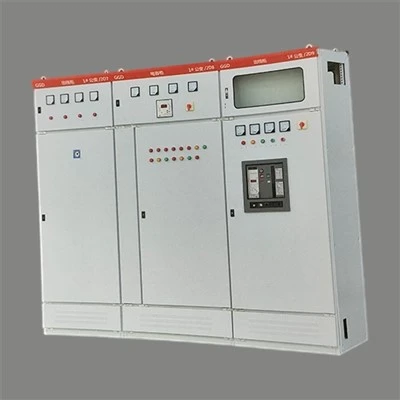
If you are interested in learning more about our distribution boxes and the relays they contain or are considering a purchase, we welcome you to reach out to us for a detailed discussion. Our team of experts is ready to assist you in selecting the most suitable products for your specific requirements. We look forward to working with you on your next electrical project.
Distribution Box References
- Electrical Engineering Handbook, CRC Press.
- Standard Handbook for Electrical Engineers, McGraw – Hill.
- Relay and Protection Guidelines, Institute of Electrical and Electronics Engineers (IEEE).
Shijiazhuang Nuo’an Electric Power Equipment Co., Ltd.
As one of the most professional distribution box manufacturers and suppliers in China, we’re featured by quality products and good price. Please rest assured to buy advanced distribution box made in China here and get pricelist from our factory. Customized orders are welcome.
Address: NW Corner, Heping Rd & Xingsingsi St, North Baifo Village, Chang’an Dist, Shijiazhuang, Hebei, China
E-mail: nuoandianli3@163.com
WebSite: https://www.nuoanpower.com/
