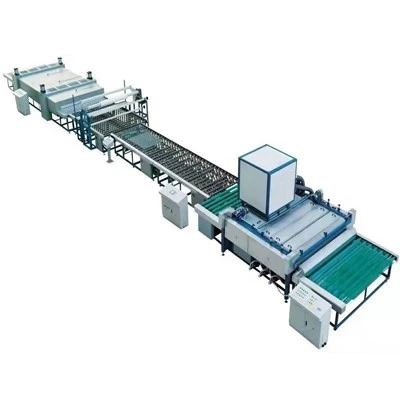
As a provider of glass cutting machines, I often encounter a wide range of inquiries from clients, including one common question: "Can a glass cutting machine cut glass with a low light transmittance?" This question is not only relevant to those in the glass processing industry but also to architects, designers, and end-users who are considering using low light transmittance glass in their projects. In this blog, I will delve into the technical aspects of glass cutting machines and explain whether they can handle glass with low light transmittance. Glass Cutting Machine
Understanding Low Light Transmittance Glass
Before discussing the cutting process, it’s essential to understand what low light transmittance glass is. Low light transmittance glass, also known as tinted or shaded glass, is designed to reduce the amount of visible light, ultraviolet (UV) rays, and infrared (IR) radiation that passes through it. This type of glass is commonly used in applications where privacy, sun protection, or energy efficiency is a priority, such as in buildings, automobiles, and electronic displays.
The low light transmittance of this glass is achieved through various methods, including the addition of metal oxides or dyes during the manufacturing process. These additives absorb or reflect a significant portion of the incoming light, resulting in a darker appearance and reduced transmission.
How Glass Cutting Machines Work
Glass cutting machines are sophisticated tools that utilize different cutting techniques to precisely cut glass according to specific dimensions and shapes. The most common types of glass cutting machines include:
Mechanical Cutting Machines: These machines use a sharp cutting wheel to score the surface of the glass, creating a controlled fracture line. Once the score is made, the glass is then broken along the score line using a breaking mechanism. Mechanical cutting machines are suitable for cutting various types of glass, including float glass, tempered glass, and laminated glass.
Waterjet Cutting Machines: Waterjet cutting machines use a high-pressure stream of water mixed with abrasive particles to cut through the glass. This method is highly precise and can cut complex shapes without generating heat or causing damage to the glass. Waterjet cutting is particularly suitable for cutting thick or brittle glass, as well as glass with special coatings or laminates.
Laser Cutting Machines: Laser cutting machines use a high-powered laser beam to melt or vaporize the glass, creating a clean and precise cut. Laser cutting is a fast and efficient method that can cut a wide range of glass thicknesses and shapes. However, it requires specialized equipment and expertise, as well as careful control of the laser parameters to avoid cracking or chipping the glass.
Cutting Low Light Transmittance Glass
The ability of a glass cutting machine to cut low light transmittance glass depends on several factors, including the type of glass cutting machine, the specific properties of the glass, and the cutting parameters used.
Mechanical Cutting: Mechanical cutting machines can generally cut low light transmittance glass without any significant issues. However, the presence of additives in the glass may affect the cutting process and require some adjustments to the cutting wheel and pressure settings. For example, tinted glass with a high concentration of metal oxides may be harder and more brittle than clear glass, requiring a sharper cutting wheel and lower pressure to prevent cracking or chipping.
Waterjet Cutting: Waterjet cutting is an excellent option for cutting low light transmittance glass, as it does not generate heat or cause any thermal stress to the glass. The high-pressure water stream can easily cut through the glass, regardless of its light transmittance or composition. Additionally, waterjet cutting can cut complex shapes and patterns with high precision, making it suitable for a wide range of applications.
Laser Cutting: Laser cutting of low light transmittance glass can be more challenging than mechanical or waterjet cutting. The additives in the glass can absorb or scatter the laser beam, reducing its effectiveness and causing uneven cutting or damage to the glass. To overcome these challenges, specialized laser cutting machines and techniques may be required, such as using a higher laser power or a different wavelength of light.
Considerations for Cutting Low Light Transmittance Glass
When cutting low light transmittance glass, it’s important to consider the following factors to ensure a successful cutting process:
Glass Thickness: The thickness of the glass can affect the cutting process, as thicker glass may require more power or a different cutting technique. It’s important to choose a glass cutting machine that is capable of cutting the specific thickness of the low light transmittance glass you are working with.
Glass Composition: The composition of the glass, including the type and concentration of additives, can also affect the cutting process. Different additives may have different refractive indices, absorption rates, and thermal properties, which can impact the performance of the cutting machine. It’s important to consult with the glass manufacturer or a glass cutting expert to determine the best cutting method and parameters for your specific glass.
Cutting Quality: The quality of the cut is also an important consideration, especially for applications where precision and aesthetics are critical. When cutting low light transmittance glass, it’s important to ensure that the cut is clean, smooth, and free of chips or cracks. This may require using a higher quality cutting wheel, adjusting the cutting parameters, or using a different cutting technique.
Safety: Cutting glass can be a hazardous process, especially when working with heavy or large sheets of glass. It’s important to follow all safety precautions and guidelines when using a glass cutting machine, including wearing protective equipment, such as gloves, safety glasses, and a face shield.
Conclusion
In conclusion, a glass cutting machine can cut glass with a low light transmittance, but the specific cutting method and parameters may need to be adjusted depending on the type of glass cutting machine, the properties of the glass, and the cutting quality required. Mechanical cutting, waterjet cutting, and laser cutting are all viable options for cutting low light transmittance glass, each with its own advantages and limitations.

As a provider of glass cutting machines, I have extensive experience in working with different types of glass, including low light transmittance glass. I can help you choose the right glass cutting machine for your specific needs and provide you with the technical support and training you need to ensure a successful cutting process.
Glass Cutting Machine If you are interested in purchasing a glass cutting machine or have any questions about cutting low light transmittance glass, please feel free to contact me. I would be happy to discuss your requirements and provide you with a customized solution.
References
- Glass Processing Handbook: A Comprehensive Guide to Glass Cutting, Grinding, and Polishing
- Journal of Glass Science and Technology: Research Articles on Glass Cutting and Processing
- Manufacturer’s Specifications and Technical Documentation for Glass Cutting Machines
Foshan Sky Glass Co., Ltd.
We are one of the most experienced glass cutting machine manufacturers and suppliers in China. With a professional production team, we are able to meet the needs of the majority of our customers. Please feel free to wholesale advanced glass cutting machine for sale here from our factory. Customized orders are welcome.
Address: Jian Mei Business Center, Nan Hai Town, Fo Shan
E-mail: skyglassmanager18@gmail.com
WebSite: https://www.sky-glassdz.com/
