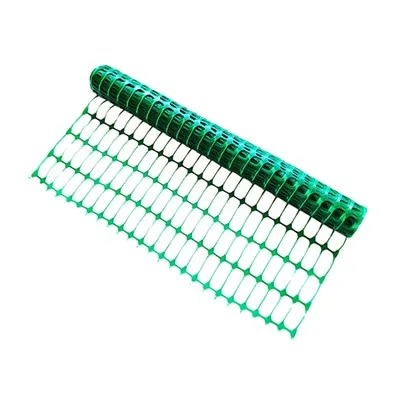
Detectable warning mesh, a crucial innovation in the field of accessibility and safety, is commonly used in public spaces to alert visually impaired individuals of potential hazards such as train platforms, stairways, and crosswalks. As a supplier of detectable warning mesh, one of the most frequently asked questions I encounter is whether our product is fire – resistant. This blog post aims to delve into this topic with scientific rigor and provide a comprehensive answer. Detectable Warning Mesh
Understanding Fire – Resistance
Before assessing the fire – resistance of detectable warning mesh, it’s essential to understand what fire – resistance means. Fire – resistance refers to a material’s ability to withstand fire or prevent the spread of flames for a specified period. This is typically evaluated through standardized fire tests, such as the ASTM E84 (Steiner Tunnel Test) in the United States, which measures the surface burning characteristics of materials, including flame spread and smoke development.
The Composition of Detectable Warning Mesh
Our detectable warning mesh is primarily composed of a high – quality polymer resin, which is formulated with a blend of additives designed to enhance various properties. These additives can include UV stabilizers for weather resistance, colorants for visibility, and in some cases, fire – retardant chemicals.
The base polymer resin selected for our detectable warning mesh is carefully chosen for its inherent durability and flexibility. However, polymer resins, in general, are organic materials and have the potential to burn. This is where the fire – retardant additives come into play.
Fire – Retardant Additives
To improve the fire – resistance of our detectable warning mesh, we incorporate fire – retardant additives into the polymer resin during the manufacturing process. These additives work in several ways to inhibit the combustion process:
-
Endothermic Reactions: Some fire – retardant additives undergo endothermic reactions when exposed to high temperatures. This means they absorb heat, which helps to lower the temperature of the material and slow down the burning process. For example, certain hydrated metal oxides release water vapor when heated, and this water vapor can cool the material and dilute the flammable gases in the vicinity.
-
Gas – Phase Inhibition: Other fire – retardants act in the gas phase. They release chemicals that interfere with the chemical reactions occurring in the flame, such as free – radical scavenging. By disrupting these reactions, the flame propagation is slowed down or even extinguished.
-
Char Formation: Some additives promote the formation of a char layer on the surface of the material when exposed to fire. This char layer acts as a barrier, preventing oxygen from reaching the underlying material and reducing the release of flammable gases.
Fire – Resistance Testing
We subject our detectable warning mesh to rigorous fire – resistance testing to ensure that it meets the relevant safety standards. Our products are tested according to the ASTM E84 standard mentioned earlier. Through these tests, we have determined that our detectable warning mesh has a low flame spread index and a low smoke development index.
The low flame spread index indicates that the mesh does not allow flames to rapidly spread across its surface. This is crucial in preventing the quick spread of fire in public spaces where the detectable warning mesh is installed. The low smoke development index is also significant, as excessive smoke can be a major hazard during a fire, reducing visibility and making it difficult for people to evacuate.
Real – World Applications and Fire Safety
In real – world applications, the fire – resistance of our detectable warning mesh provides an added layer of safety. For instance, in subway stations, where there is a high volume of pedestrian traffic and the potential for fire hazards, our fire – resistant detectable warning mesh can help contain the spread of fire and provide more time for evacuation.
Similarly, in commercial buildings with accessible entrances and stairways, the fire – resistant properties of the detectable warning mesh contribute to the overall fire safety of the building. It ensures that the safety features designed for visually impaired individuals do not become a source of fuel in the event of a fire.
Limitations and Considerations
While our detectable warning mesh has been engineered to be fire – resistant, it’s important to note that no material is completely fireproof. Under extreme conditions, such as prolonged exposure to high – intensity flames or in the presence of accelerants, the mesh may eventually burn.
It’s also crucial to install the detectable warning mesh correctly. Improper installation, such as leaving gaps or using incompatible adhesives, can compromise its fire – resistance. Therefore, we always recommend following the installation guidelines provided to ensure optimal performance and fire safety.
Conclusion
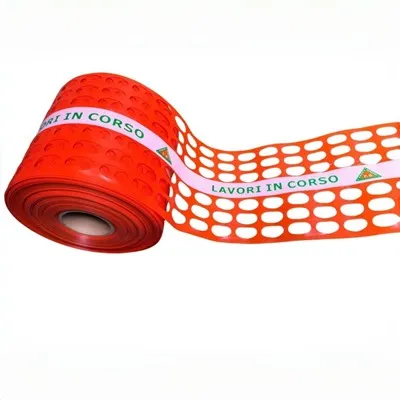
In conclusion, our detectable warning mesh is indeed fire – resistant. Through the use of carefully selected fire – retardant additives and rigorous testing, we have ensured that our product meets the necessary safety standards. Its low flame spread and smoke development indices make it a reliable choice for public spaces where fire safety is a concern.
Construction Fence If you’re in the process of planning an accessibility project and are interested in our fire – resistant detectable warning mesh, I encourage you to reach out to discuss your specific requirements. We are committed to providing high – quality products and excellent service to meet your needs.
References
- ASTM International. ASTM E84 – 21a: Standard Test Method for Surface Burning Characteristics of Building Materials.
- Levchik, S. V., & Weil, E. D. (2004). Fire retardancy of polymeric materials. Marcel Dekker.
Shaoxing Yongte Plastics Co., Ltd.
We are one of the most reliable detectable warning mesh manufacturers and suppliers in China, specialized in providing high quality customized products. We warmly welcome you to wholesale discount detectable warning mesh for sale here from our factory. Contact us for pricelist and free sample.
Address: INDUSTRIAL PARK, LIZHU TOWN, KEQIAO DISTRICT, SHAOXING CITY, ZHEJIANG PROVINCE
E-mail: support@sxxyongte.com.cn
WebSite: https://www.fenceplastic.com/
