When it comes to the world of food processing and extraction, cold pressing machines have gained significant popularity for their ability to preserve nutrients and flavors. As a proud supplier of cold pressing machines, I often receive inquiries about the diverse applications of our equipment. One question that frequently arises is whether a cold pressing machine can be used for pressing tea leaves. In this blog, I’ll delve into this topic from a scientific and practical perspective. Cold Pressing Machine
Understanding Cold Pressing Technology
Before we address the question at hand, it’s essential to understand what cold pressing is. Cold pressing is a process that uses mechanical pressure to extract oils, juices, or other substances from raw materials without the use of heat or chemicals. This method is highly regarded because it can maintain the integrity of the nutrients and flavor compounds in the raw materials.
The cold pressing machine typically consists of a screw or another pressing mechanism that gradually applies pressure to the material. As the pressure increases, the liquid or oil is squeezed out and collected, while the solid residue is separated. This gentle extraction process minimizes oxidation and degradation, resulting in a high – quality end product.
The Composition and Properties of Tea Leaves
Tea leaves contain a rich array of chemical components, including polyphenols (such as catechins), caffeine, amino acids, volatile oils, and various vitamins and minerals. The unique flavor and health – promoting properties of tea are mainly attributed to these compounds.
The cell structure of tea leaves is relatively complex. The cells contain different substances within their vacuoles and cell membranes. To extract the valuable components from tea leaves, we need a method that can break the cell walls and release the contents effectively without compromising their quality.
Analyzing the Feasibility of Using a Cold Pressing Machine for Tea Leaves
Advantages
-
Nutrient Preservation: One of the significant advantages of cold pressing is the preservation of nutrients. Since no external heat is applied, the heat – sensitive compounds in tea leaves, such as certain vitamins and volatile oils, can be better retained. For example, catechins in tea are known for their antioxidant properties, and exposure to high temperatures can cause their degradation. Cold pressing can help keep these beneficial substances intact.
-
Flavor Retention: The natural flavor of tea is derived from a combination of volatile and non – volatile compounds. Cold pressing allows for the extraction of these flavor – related substances without the formation of off – flavors that can occur during high – temperature processing. The resulting tea extract may have a more authentic and delicate flavor profile.
-
Chemical – Free Extraction: Cold pressing is a physical process that does not involve the use of chemicals. This makes it an environmentally friendly and healthy option for tea extraction. It is especially appealing to consumers who are concerned about the presence of chemical residues in their tea products.
Challenges
- Cell Wall Breakage: Tea leaves have relatively tough cell walls. The pressure applied by a common cold pressing machine may not be sufficient to break these cell walls completely. As a result, the extraction efficiency of some components may be limited. For instance, the extraction of certain polyphenols and amino acids may not reach an optimal level if the cell walls are not adequately disrupted.
- Moisture Content: Tea leaves usually have a certain moisture content. During the cold pressing process, the moisture can affect the flowability of the material and the separation of the extracted liquid from the solid residue. If the moisture content is too high, it may lead to clogging in the pressing machine and make the extraction process less efficient.
- Particle Size: The particle size of tea leaves also plays an important role in the cold pressing process. If the tea leaves are too large, the pressure distribution may be uneven, and the extraction efficiency may be reduced. On the other hand, if the tea leaves are ground too finely, it may cause problems in the separation of the liquid and solid phases.
Practical Considerations for Using a Cold Pressing Machine on Tea Leaves
Pre – treatment
To improve the extraction efficiency, pre – treatment of tea leaves is necessary. Grinding the tea leaves to an appropriate particle size can increase the surface area for pressure application and facilitate cell wall breakage. Additionally, adjusting the moisture content of the tea leaves to an optimal level can enhance the flowability and extraction performance. For example, slightly drying the tea leaves to reduce their moisture content can prevent clogging in the pressing machine.
Machine Selection
Not all cold pressing machines are suitable for pressing tea leaves. When choosing a cold pressing machine, factors such as the pressing force, the design of the pressing chamber, and the separation mechanism need to be considered. A machine with a higher pressing force can better break the cell walls of tea leaves. Moreover, a well – designed separation mechanism can effectively separate the tea extract from the solid residue.
Case Studies and Real – World Applications
Although cold pressing of tea leaves is not as common as other applications of cold pressing machines, there are still some cases where it has been successfully implemented. Some small – scale tea producers are exploring the use of cold pressing technology to create unique tea extracts. These extracts can be used in the production of high – end tea beverages, tea – flavored cosmetics, or dietary supplements.
For example, in a small artisanal tea workshop, they used a modified cold pressing machine to extract tea components from fresh tea leaves. They found that the resulting tea extract had a fresher taste and higher antioxidant activity compared to traditional hot – water – extracted tea. This product has attracted the attention of health – conscious consumers and has opened up new market opportunities for the workshop.
Conclusion and Call to Action
In conclusion, while there are challenges in using a cold pressing machine for pressing tea leaves, it is definitely a feasible option with some proper pre – treatment and machine selection. The potential benefits of nutrient preservation and flavor retention make it an attractive alternative for tea processing.
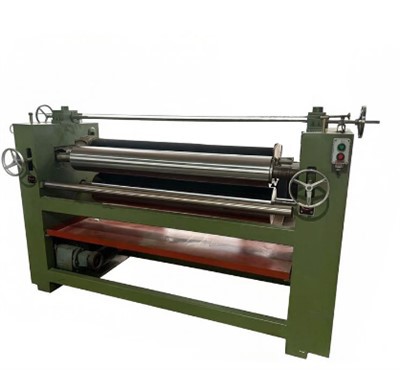
If you are a tea producer, a food and beverage manufacturer, or someone interested in exploring new tea extraction methods, I encourage you to consider our cold pressing machines. Our team of experts is dedicated to helping you find the most suitable solution for your specific needs. Whether it’s optimizing the pre – treatment process or customizing the machine to improve extraction efficiency, we are here to assist you.
Cold Pressing Machine If you have any questions or would like to discuss potential procurement opportunities, please feel free to reach out to us. We are eager to start a conversation with you and explore how our cold pressing machines can add value to your tea – related business.
References
- Clarke, R. J., & Macrae, R. (1987). Tea: cultivation to consumption. Springer Science & Business Media.
- Willson, K. C., & Clifford, M. N. (1992). Tea: growing, processing, and trading. Routledge.
- Shahidi, F., & Zhong, Y. (2015). Handbook of tea science and technology. CRC press.
Jiashan Changle Machinery Manufacturing Co., Ltd.
We’re well-known as one of the leading cold pressing machine manufacturers and suppliers in China, also support customized service. Please feel free to buy advanced cold pressing machine for sale here from our factory. Quality products and punctual delivery are available.
Address: Building 12, Zone A, Wanyang Innovation City, No. 23 Yucao South Road, Ganyao Town, Jiashan County, Jiaxing City, Zhejiang Province
E-mail: Changle84615620@163.com
WebSite: https://www.changlejx.com/
