Hey there! I’m a supplier of PSA oxygen generators, and today I wanna chat about a question that comes up a lot: Does a PSA oxygen generator require special ventilation? PSA Oxygen Generator
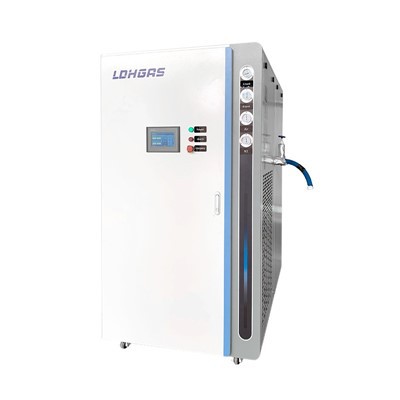
First off, let’s quickly go over what a PSA oxygen generator is. PSA stands for Pressure Swing Adsorption. It’s a technology that separates oxygen from other gases in the air, mainly nitrogen. The way it works is by using adsorbent materials that preferentially adsorb nitrogen at high pressure, leaving behind oxygen. When the pressure is reduced, the nitrogen is released, and the adsorbent is regenerated for the next cycle.
Now, back to the ventilation question. The short answer is: it depends. But most of the time, yes, a PSA oxygen generator does need some form of special ventilation.
One of the main reasons for ventilation is heat management. During the operation of a PSA oxygen generator, the compressor and other components generate heat. If this heat isn’t properly dissipated, it can cause the equipment to overheat. Overheating can lead to a whole bunch of problems, like reduced efficiency, shorter lifespan of the components, and even safety risks.
Let’s say you’ve got a small PSA oxygen generator in a well – ventilated room. If the room has good air circulation, the heat might be able to dissipate naturally to some extent. But if you’re running a larger generator, or if the generator is in a confined space, natural ventilation might not be enough.
For instance, in a factory setting where multiple PSA oxygen generators are running, the heat generated can be quite significant. In such cases, you’ll probably need mechanical ventilation systems. These can include exhaust fans or air – conditioning units. Exhaust fans can pull the hot air out of the room, while air – conditioning can help maintain a stable temperature.
Another aspect to consider is the release of nitrogen. As I mentioned earlier, PSA oxygen generators separate oxygen from nitrogen. The nitrogen that’s removed from the air needs to go somewhere. If it accumulates in a closed space, it can displace oxygen, creating an oxygen – deficient environment. This is a serious safety hazard, as it can lead to asphyxiation.
So, proper ventilation helps to ensure that the nitrogen is safely removed from the area. In some industrial applications, the nitrogen is vented outside the building. This not only keeps the indoor air safe but also helps to maintain the efficiency of the PSA oxygen generator.
Now, let’s talk about the different types of ventilation setups. There are two main types: passive and active ventilation.
Passive ventilation relies on natural air movement. This can be through windows, vents, or other openings in the building. It’s a simple and cost – effective solution, but it might not be sufficient for larger or high – capacity PSA oxygen generators.
Active ventilation, on the other hand, uses mechanical devices like fans or blowers. These can be more effective in removing heat and nitrogen, especially in areas where natural ventilation is limited.
When it comes to installing a PSA oxygen generator, it’s important to plan the ventilation system carefully. You need to consider factors like the size of the generator, the location of the installation, and the ambient conditions.
For example, if you’re installing a generator in a hot and humid climate, you’ll need a more robust ventilation system to deal with the additional heat and moisture. On the other hand, if the generator is in a cold environment, you might need to ensure that the ventilation doesn’t cause the equipment to get too cold, which could also affect its performance.
It’s also a good idea to have a ventilation system that can be adjusted. This way, you can control the amount of air flow depending on the operating conditions of the PSA oxygen generator.
In addition to heat and nitrogen management, ventilation can also help with maintaining air quality. The PSA oxygen generator itself can produce some small amounts of contaminants, like dust or oil mist from the compressor. Proper ventilation can help to remove these contaminants from the air, creating a healthier working environment.
Now, I know all this talk about ventilation might seem a bit overwhelming. But don’t worry! As a PSA oxygen generator supplier, I’m here to help. We’ve got a team of experts who can assess your specific needs and recommend the right ventilation solution for your PSA oxygen generator.
Whether you’re a small business looking for a compact oxygen generator or a large industrial facility in need of a high – capacity system, we’ve got you covered. Our PSA oxygen generators are designed to be efficient and reliable, and we can also provide guidance on the best ventilation options to ensure optimal performance.
If you’re in the market for a PSA oxygen generator, or if you have any questions about ventilation requirements, don’t hesitate to reach out. We’re always happy to have a chat and help you find the right solution for your needs.
In conclusion, while the ventilation requirements for a PSA oxygen generator can vary depending on the specific situation, it’s generally a good idea to have some form of special ventilation. This helps with heat management, nitrogen removal, and maintaining air quality. So, if you’re considering purchasing a PSA oxygen generator, make sure to factor in the ventilation needs as well.

If you’re interested in learning more about our PSA oxygen generators or need advice on ventilation, just drop us a line. We’re eager to assist you in making the best choice for your business.
Liquid Nitrogen Storage Tank References:
- "Principles of Pressure Swing Adsorption" by Douglas M. Ruthven, Seong H. Lee, and K. S. Park
- "Industrial Gas Handbook: Gas Separation and Purification" by Joseph Haggin
LDH Gas Systems Company Limited
We’re professional psa oxygen generator manufacturers in China, engaged in providing high quality equipment and spare parts with PLC control system. Please feel free to buy portable psa oxygen generator at competitive price from our factory. Contact us for customized service.
Address: No.10 Building, 13th Floor, 10th Courtyard, Shuyuan South Street, Fangshan District, Beijing
E-mail: sales@bj-ldh.com
WebSite: https://www.ldhgas.net/
